


Regulatory Trends for Nitrogen & Phosphorus: How MicroC® Helps You Meet 2026 Limits

Why 2026 Matters for Nutrient Compliance
Across the U.S., nutrient regulations for total nitrogen (TN) and total phosphorus (TP) continue to tighten driven by harmful algal blooms, hypoxia, and water reuse mandates. Many states are moving toward stricter discharge limits and advanced treatment requirements, a primary force reshaping wastewater operations over the next two years. Recent analyses highlight intensified efforts in California and throughout the Mississippi River Basin, alongside evolving expectations for utilities nationwide signaling that 2026 will be a pivotal horizon for TN/TP performance and enforceability.

In Florida, legislative updates push Advanced Wastewater Treatment (AWT) standards and expanded reuse planning, with agencies emphasizing programmatic changes and permitting implications now working through district offices. For facilities discharging to sensitive waters like springs, lagoons and estuaries stricter nutrient outcomes and reuse feasibility requirements are accelerating timelines and investments.
The Regulatory Landscape: What’s Changing
- State & watershed initiatives: California, Chesapeake Bay, Great Lakes, and Gulf-bound watersheds are tightening TN/TP limits to curb algal blooms. EPA and state reports point to accelerated nutrient strategies, with compliance deadlines varying by region but generally leading towards mid-decade.
- Mississippi River Basin focus: Utilities feeding the Basin are under increased scrutiny to help reduce hypoxia in the Gulf of Mexico, affecting more than 1,200 publicly owned treatment facilities as programs standardize monitoring and nutrient removal expectations.
- Florida AWT & reuse: Florida’s recent legislation expands AWT expectations and reuse feasibility studies, pushing facilities to meet stricter TN/TP standards and pursue reclaimed water programs, reshaping both municipal and industrial operations.
Implication: Permit risk is rising. Plants that rely on variable influent carbon or manual dosing face greater odds of excursions. Supplemental carbon and automation are fast becoming the practical path to consistent and affordable compliance.
Why Supplemental Carbon Is Central to 2026 Compliance
Most facilities targeting tight TN limits rely on biological denitrification, which occurs after aerobic bacteria converts ammonia to nitrate in a nitrification process under anoxic conditions. When native carbon is insufficient or inconsistent, a high-quality supplemental carbon source is added to convert nitrate to nitrogen gas, stabilize BNR kinetics and protect effluent performance.
EOSi’s MicroC® Premium Carbon Sources are engineered for BNR applications delivering consistent quality, industry validation (550+ plants), and a variety of options for different process needs (carbohydrate-based, glycerin-based, alcohol-based, and custom formulations). Choosing MicroC helps plants achieve TN/TP targets with safer handling and predictable dosing compared to alternatives.
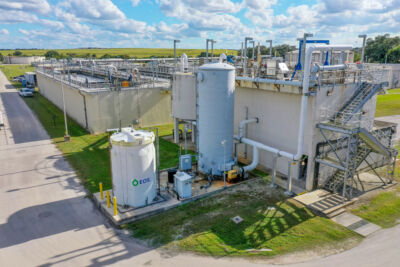
Enhancing MicroC® with Nitrack®: Precision Dosing for Risk Reduction
As limits tighten, the margin for error shrinks. EOSi’s Nitrack® integrates feed-forward (process kinetics) and feedback (hydraulics, sensor inputs) control to deliver a fully automated nutrient removal program avoiding overdosing and underfeeding, and stabilizing effluent. Facilities benefit from remote monitoring, alarms, and performance reporting, aligning operations with permit constraints while containing chemical costs.
For plants needing rapid deployment or reduced on-site hardware, Virtual Nitrack enables cloud-based control with strong cybersecurity, cellular connectivity to probes and pumps, and 20%+ MicroC savings, tightening process control without lengthy installs or capital-intensive retrofits.
What Facilities in Key Regions Should Do Now
- Florida & Southeast U.S.: Evaluate AWT impacts and reuse feasibility; confirm EBPR readiness and denitrification capacity under seasonal temperature swings. Consider MicroC + Virtual Nitrack to accelerate control, minimize onsite changes, and support goals.
- California & West Coast: Prepare for stricter TN/TP proposals and energy pressures; explore low-DO BNR with responsive carbon dosing to balance compliance and OPEX.
- Chesapeake Bay, Great Lakes, Mississippi River Basin: Expect increased accountability in TN/TP outcomes; use MicroC to stabilize denitrification and EBPR, and automation to reduce risk as regional programs intensify.
A Practical 2026 Compliance Checklist
- Benchmark performance: Compare current TN/TP medians and 95th percentile values against expected permit tightening.
- Carbon sufficiency test: Conduct bench/pilot evaluations to confirm readily supplemental carbon needs across seasons.
- Dosing strategy: Implement Nitrack automated control program; set effluent setpoints and alarms tied to permit thresholds.
- Supply assurance: Choose MicroC for consistent quality, validated by EOSi’s lab-driven QA across manufacturing locations.
- Reporting & readiness: Use Virtual Nitrack’s HMI App for trends, dashboards, and monthly performance summaries to satisfy regulators.
Why Partner with EOSi
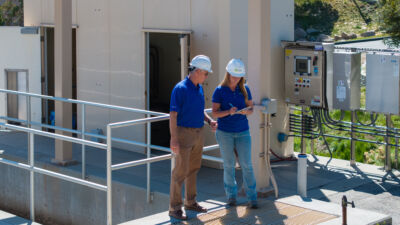
EOSi couples premium MicroC supplemental carbon, adaptive Nitrack automation and hands on technical support to deliver long-lasting compliance at the lowest possible cost. Our lab-backed quality, supply reliability, and ongoing optimization are designed to help you meet 2026 limits and stay there. Ready to future-proof TN/TP compliance?
Talk to EOSi nutrient removal experts about a compliance readiness assessment tailored to your region and permit today.
Take Better Control of Your Biological Nutrient Removal Processes.